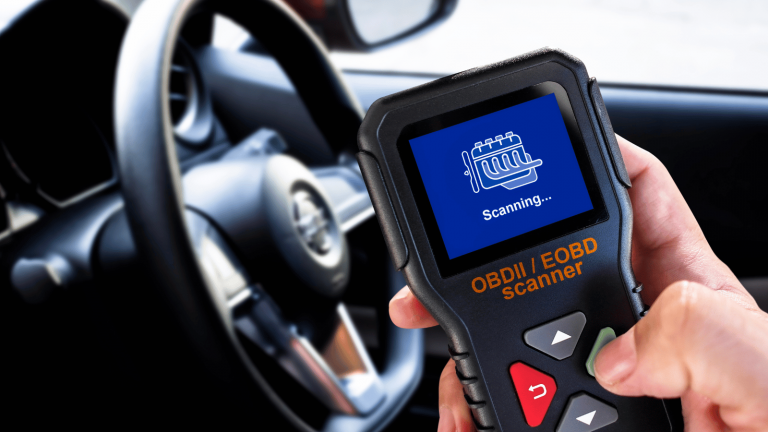
It can be a smart move to buy a used car in Germany, especially if you’re looking for top-quality vehicles, well-documented service histories, and transparent ownership records. Germany is known for its automotive excellence and strict vehicle inspection standards, making it one of the best places in Europe to find reliable second-hand cars. However, for foreigners, the process can be confusing. From understanding the paperwork to avoiding scams, there are several steps you should follow to make sure your purchase is safe and worthwhile.
In this comprehensive guide, you’ll learn everything you need to know about how to buy a used car in Germany – from where to find the right vehicle, what legal requirements to consider, and how to protect yourself with a professional car inspection before making a purchase.
Inhaltsverzeichnis
- 1 Why Buying a Used Car in Germany Is a Good Idea
- 2 Where to Find Used Cars in Germany
- 3 Understanding the Paperwork
- 4 Key Legal Requirements When You Buy a Used Car in Germany
- 5 Common Risks and Scams When Buying a Used Car in Germany
- 6 Why You Should Get a Professional Used Car Inspection
- 7 Carspector: Your Trusted Partner for Buying a Used Car in Germany
- 8 How to Negotiate the Price Like a Pro
- 9 Registering and Exporting the Car
- 10 Final Tips for a Safe Purchase
- 11 Conclusion: Buy Smart, Drive Confidently
Why Buying a Used Car in Germany Is a Good Idea
Germany’s automotive market is one of the most reputable in the world. Cars are generally well-maintained, with strict inspection standards like the TÜV (Technischer Überwachungsverein) ensuring roadworthiness and safety. Many Germans take pride in maintaining their vehicles properly, which means even older cars often come in excellent condition.
Additionally, the variety is unmatched – whether you’re looking for a budget-friendly compact car, a family SUV, or a luxury model from brands like BMW, Mercedes-Benz, or Audi, you’ll find a broad selection. Prices are often more reasonable than in neighboring countries, especially when you buy directly from a private seller.
However, to make the most out of this opportunity, you must understand how the German car market works, what legal aspects to consider, and how to verify that a vehicle is truly worth its price.
Where to Find Used Cars in Germany
There are several reliable platforms and places to find used cars in Germany. The most popular online marketplaces include:
- Mobile.de – The largest used car platform in Germany, featuring both dealer and private listings.
- Autoscout24.de – Another trusted platform with millions of listings and advanced filters to narrow down your search.
- eBay Kleinanzeigen (now Kleinanzeigen.de) – Great for local deals, though you should be cautious with private sellers and always verify the car in person.
If you prefer a more traditional approach, you can also visit car dealerships in person. German dealers are required by law to offer at least a one-year warranty for used cars, which adds a layer of protection.
💡Tip: Always check if the seller is a verified dealer or a private individual. Dealerships tend to be more reliable, but private sellers often offer better prices.
Understanding the Paperwork
Paperwork in Germany can be intimidating, especially if you don’t speak German. Here are the key documents you’ll need when you buy a used car in Germany:
- Zulassungsbescheinigung Teil I and Teil II (Registration Certificates Part I and II) – These documents prove ownership and contain essential vehicle data.
- HU/AU Certificate (TÜV Report) – Proof that the car has passed the mandatory technical inspection.
- Service Book (Scheckheft) – This shows the car’s maintenance history. A full service history is a good sign that the vehicle has been well cared for.
- Sales Contract (Kaufvertrag) – A written agreement between you and the seller. Never buy a car without this document.
- Proof of Payment and ID – You’ll need to present valid identification and proof of payment for registration.
👉 Pro Tip: Make sure all vehicle identification numbers (VIN) match across documents and the car itself. Any discrepancy could be a red flag.
Key Legal Requirements When You Buy a Used Car in Germany
When you buy a used car in Germany, there are several legal steps you need to follow to register it properly:
- Insurance (Kfz-Versicherung): Before registration, you’ll need an electronic insurance confirmation (eVB number).
- Vehicle Tax (Kfz-Steuer): Once the car is registered, you’ll automatically be billed for annual vehicle tax.
- Vehicle Registration (Zulassung): This takes place at your local registration office (Zulassungsstelle). Bring your passport, proof of insurance, and the registration documents.
- TÜV Certificate: The car must have a valid TÜV inspection (usually valid for two years).
If you plan to export the car abroad, additional requirements apply, such as temporary export plates and export insurance. You should also check import regulations in your home country.
Common Risks and Scams When Buying a Used Car in Germany
Even though Germany is known for transparency, scams still occur in the used car market. Be aware of these common risks:
- Tampered Mileage (Tachomanipulation): Some sellers roll back odometers to make the car appear less used.
- Undisclosed Accidents: Always verify if the vehicle has been in an accident by checking its history report or using a professional inspection service.
- Fake Sellers or Deposits: Never send money before verifying the seller and inspecting the vehicle in person.
If you’re not fluent in German or unfamiliar with the car market, identifying these risks can be challenging. That’s where an independent Used-Car-Check can be incredibly valuable.
Why You Should Get a Professional Used Car Inspection
Before you buy any used car in Germany, it’s crucial to have it inspected by an expert. Photos and seller descriptions can be misleading, and even seemingly perfect vehicles can hide issues that cost thousands to repair later.
A professional inspection includes checking the engine, brakes, suspension, body condition, and electronics, as well as confirming mileage accuracy and accident history.
💡Expert Tip: Before you commit to a deal, make sure your future car is truly worth the price. Book a nationwide Used Car Check with Carspector and get a detailed report, photos, and expert evaluation before you buy. Book your check now ➡
Carspector: Your Trusted Partner for Buying a Used Car in Germany
Carspector is a professional vehicle inspection service available across Germany. Their certified experts drive directly to the seller to physically inspect the vehicle before you buy it and provide a detailed digital report including high-quality photos, technical analysis, and an overall condition rating.
Here’s what you can expect from Carspector:
- Nationwide coverage – Inspections available anywhere in Germany.
- Independent experts – Neutral, professional evaluators who work solely for you.
- Comprehensive reports – Including body condition, mechanical checks, accident damage, and more.
- Quick results – Receive your report within 24-48 hours.
This service is especially useful if you’re abroad or unable to visit Germany in person before purchasing. You’ll know exactly what you’re buying and avoid hidden costs or fraud.
🚗 Protect your investment! Order your Used Car Check from Carspector today and get full peace of mind before buying a used car in Germany.

How to Negotiate the Price Like a Pro
Negotiating in Germany is acceptable, though the culture is generally more formal than in some other countries. When you buy a used car in Germany, make sure you’ve researched market prices beforehand. Use platforms like Mobile.de or Autoscout24.de to compare similar models.
You can usually negotiate a few hundred euros off the asking price, especially if you’ve identified minor defects during your inspection. Having a professional Carspector report can also strengthen your position, as it provides concrete evidence of any existing issues.
👍 Tip: Be polite and reasonable. Germans value honesty and direct communication – aggressive haggling is frowned upon.
Registering and Exporting the Car
Once you’ve purchased the car, you’ll need to register it in Germany or prepare it for export. If you live abroad, you’ll likely need export plates (Ausfuhrkennzeichen). These special plates come with insurance and are valid for a specific period, allowing you to drive the car out of Germany legally.
The process involves visiting a Zulassungsstelle with the following:
- Your passport
- Sales contract
- Proof of insurance
- Vehicle documents (Part I and II)
- TÜV report
It usually takes a few hours, and you can often find registration offices near larger dealerships or in major cities.
Final Tips for a Safe Purchase
- Never rush. Even if a car seems perfect, take time to verify everything.
- Always insist on a test drive. Listen for unusual noises, check the brakes, and see how the car handles.
- Avoid paying in advance. Use secure payment methods and confirm ownership documents before transferring money.
- Consider Carspector. A professional inspection can save you from buying a car with hidden defects.
❗Buying from abroad? Let Carspector be your eyes in Germany. Get an expert inspection, full report, and photos before making your decision. Book your check now ➡
Conclusion: Buy Smart, Drive Confidently
To buy a used car in Germany successfully, preparation is key. Understanding the paperwork, verifying vehicle history, and working with trusted inspection services like Carspector can make the entire experience smooth, safe, and rewarding.
Germany’s used car market offers fantastic opportunities – from high-quality engineering to fair prices. Just make sure you stay informed, cautious, and always rely on expert verification before committing to any purchase.